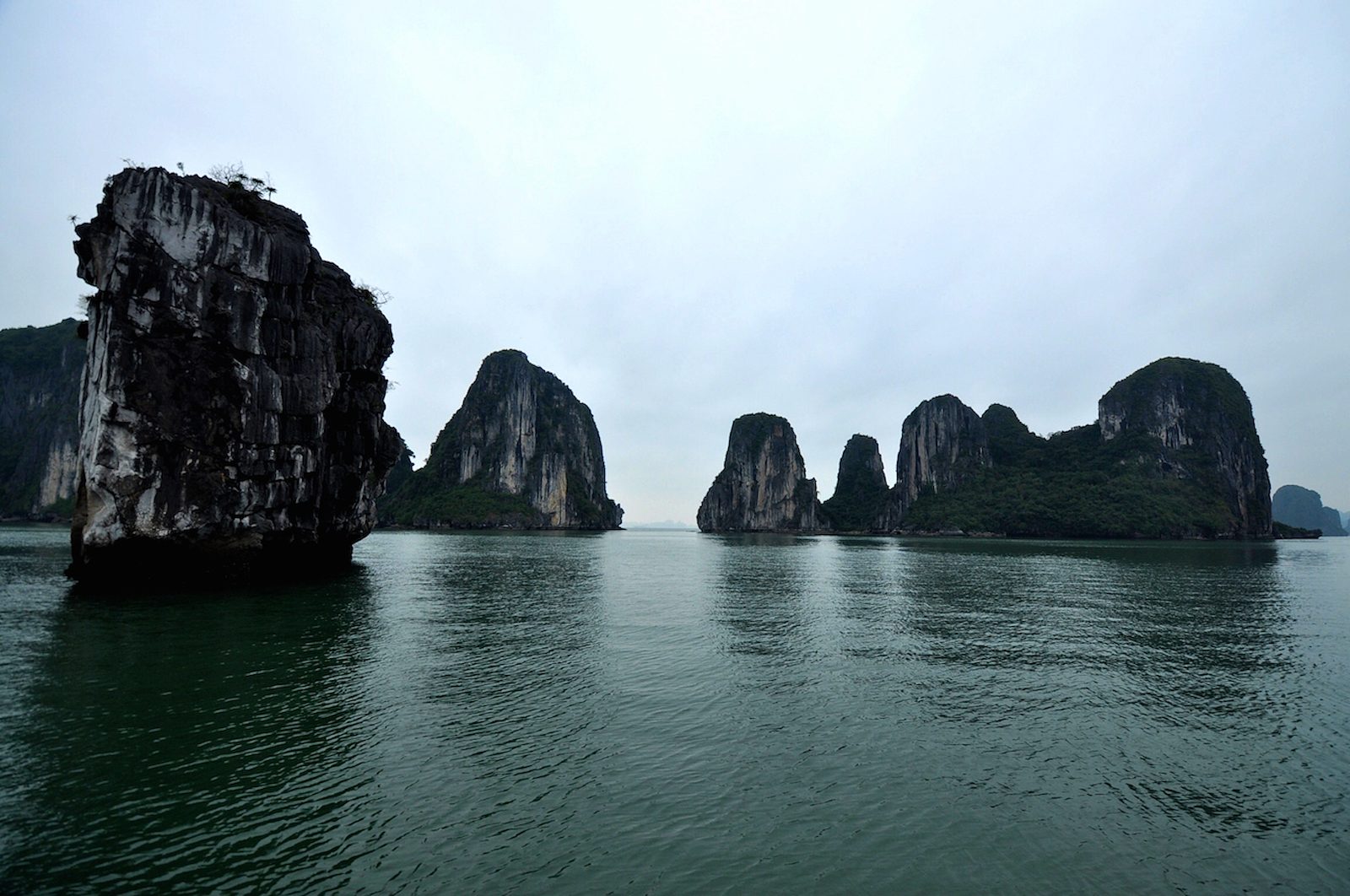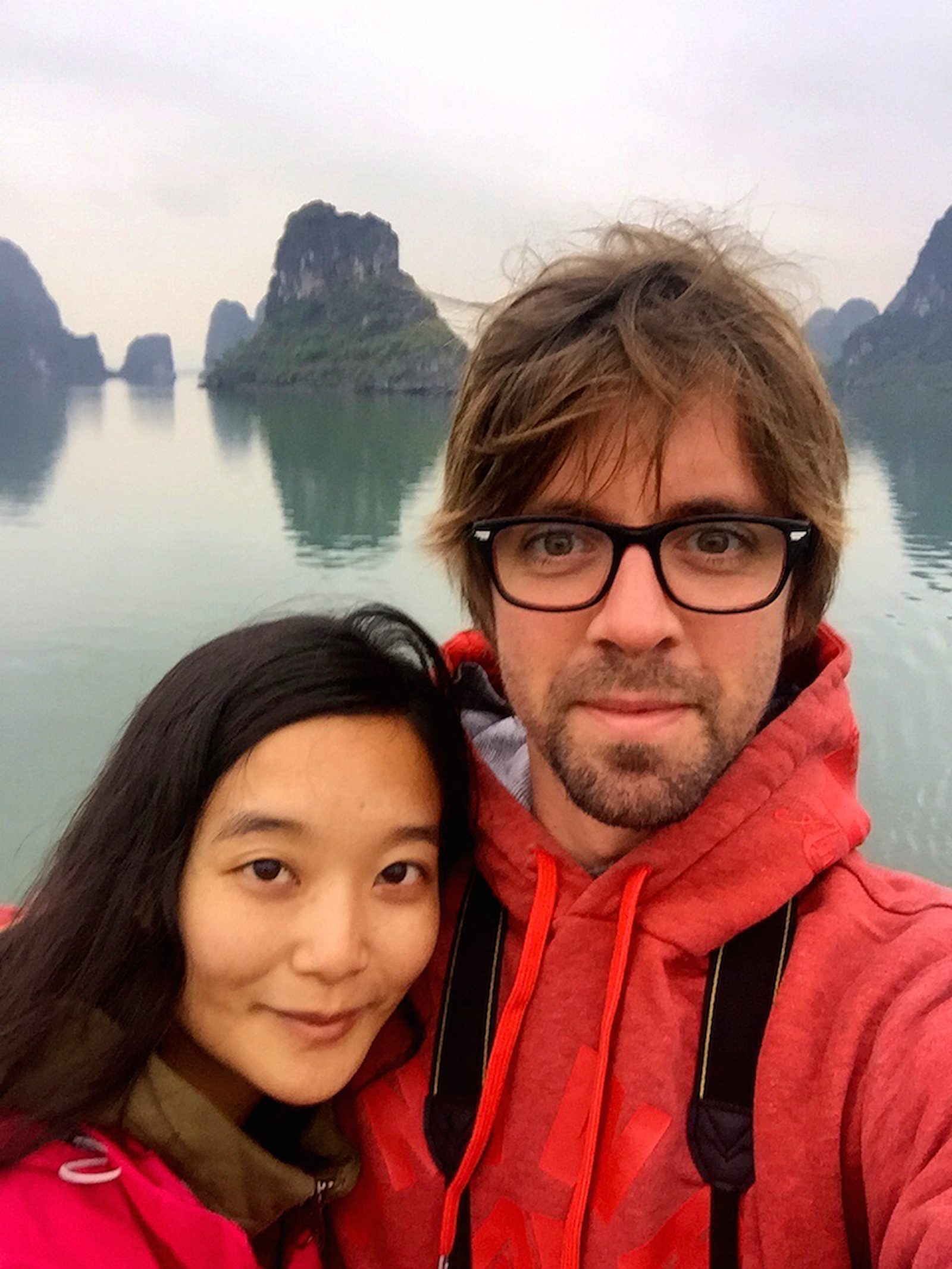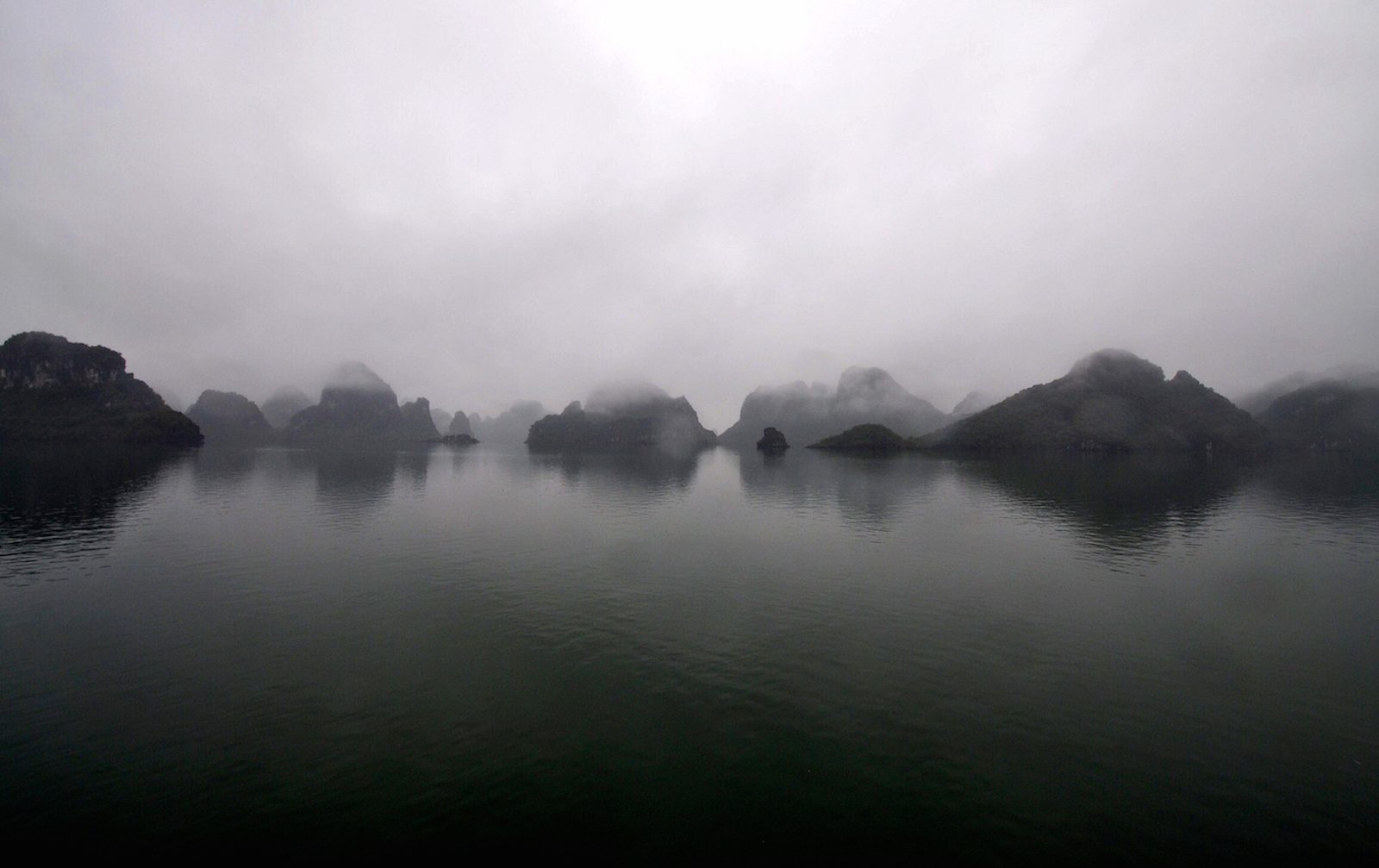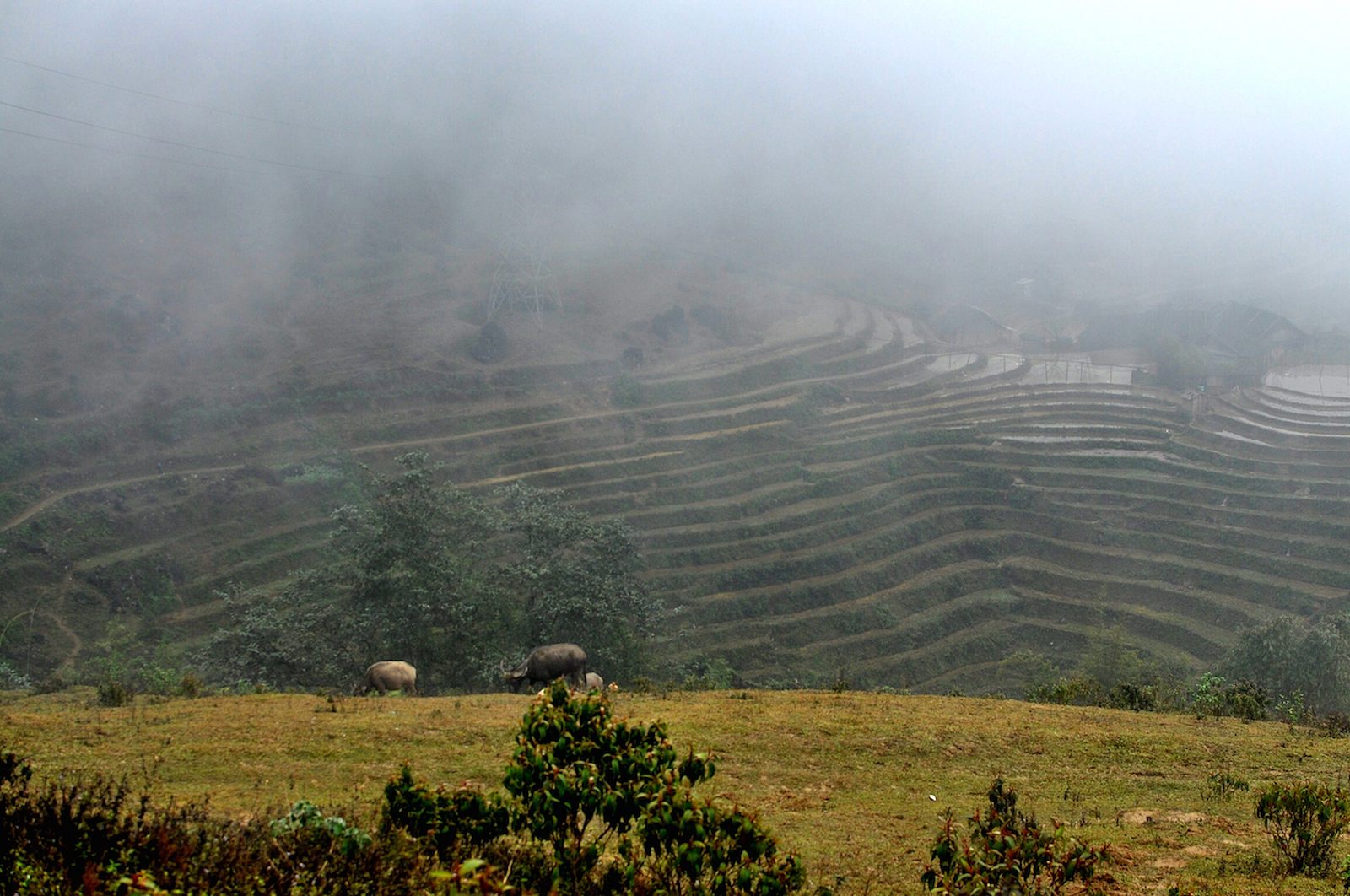
Of all the countries we researched to visit on this trip, Vietnam was the most polarizing. Many of our standard go-to travel blogs either really loved it or really hated it. People listed pushy vendors, cold people and overly expensive tours. When we were in Cambodia, we even ran into a couple who had been ganged up on while on their motorbike and forced to pay their way out. While we did have some difficulties in Vietnam, most of these worries did not hold true in our experience.
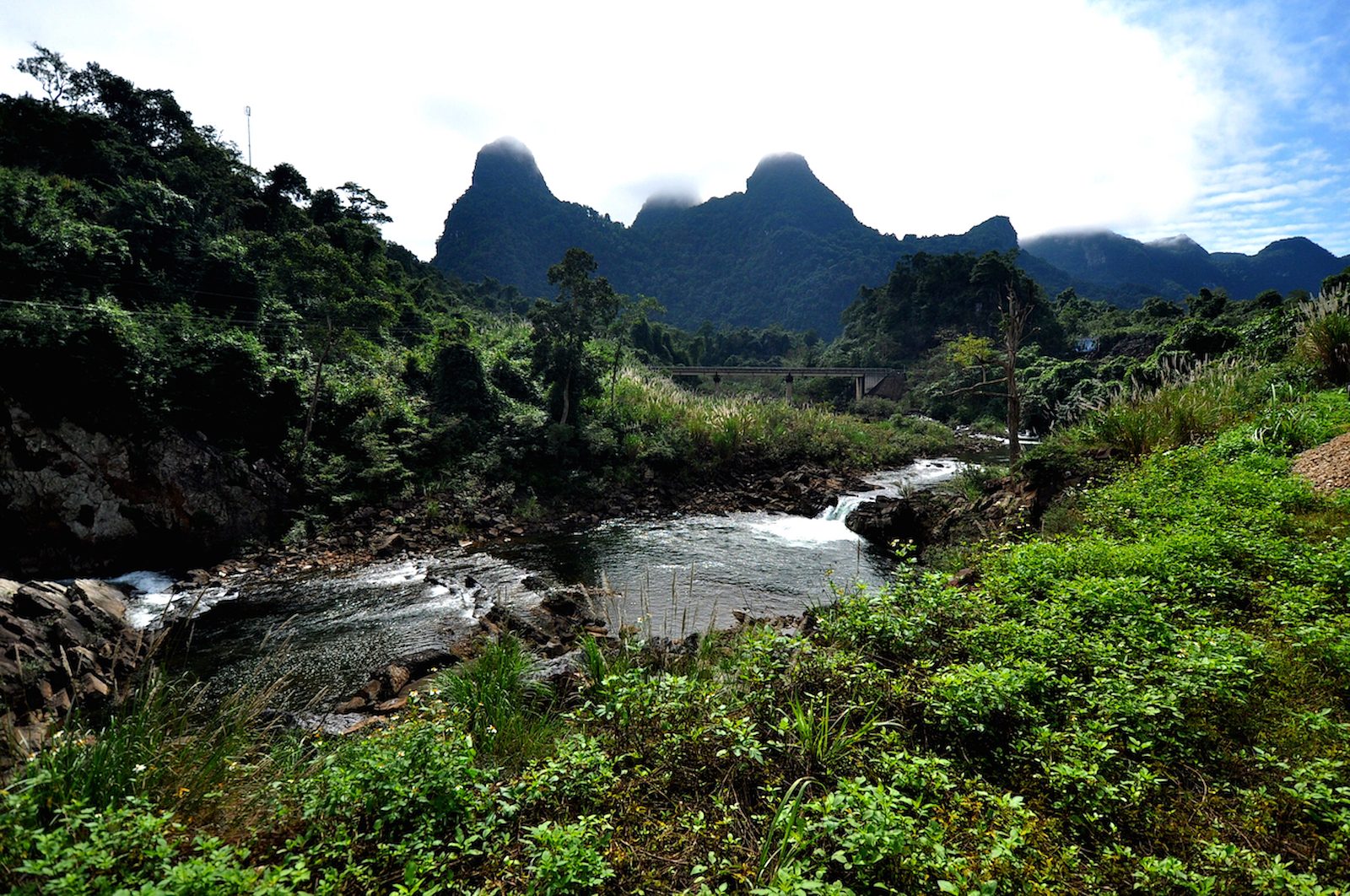
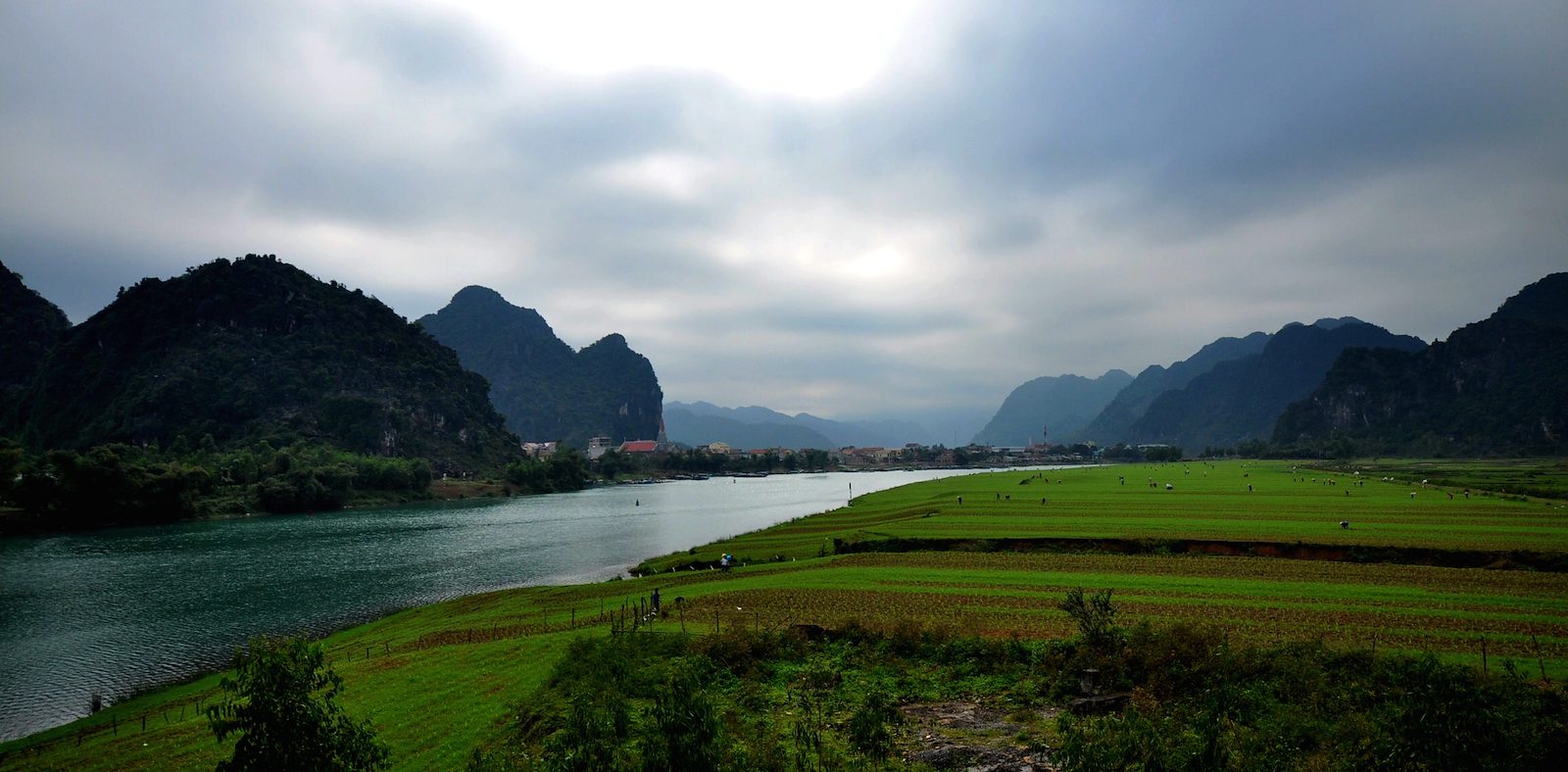
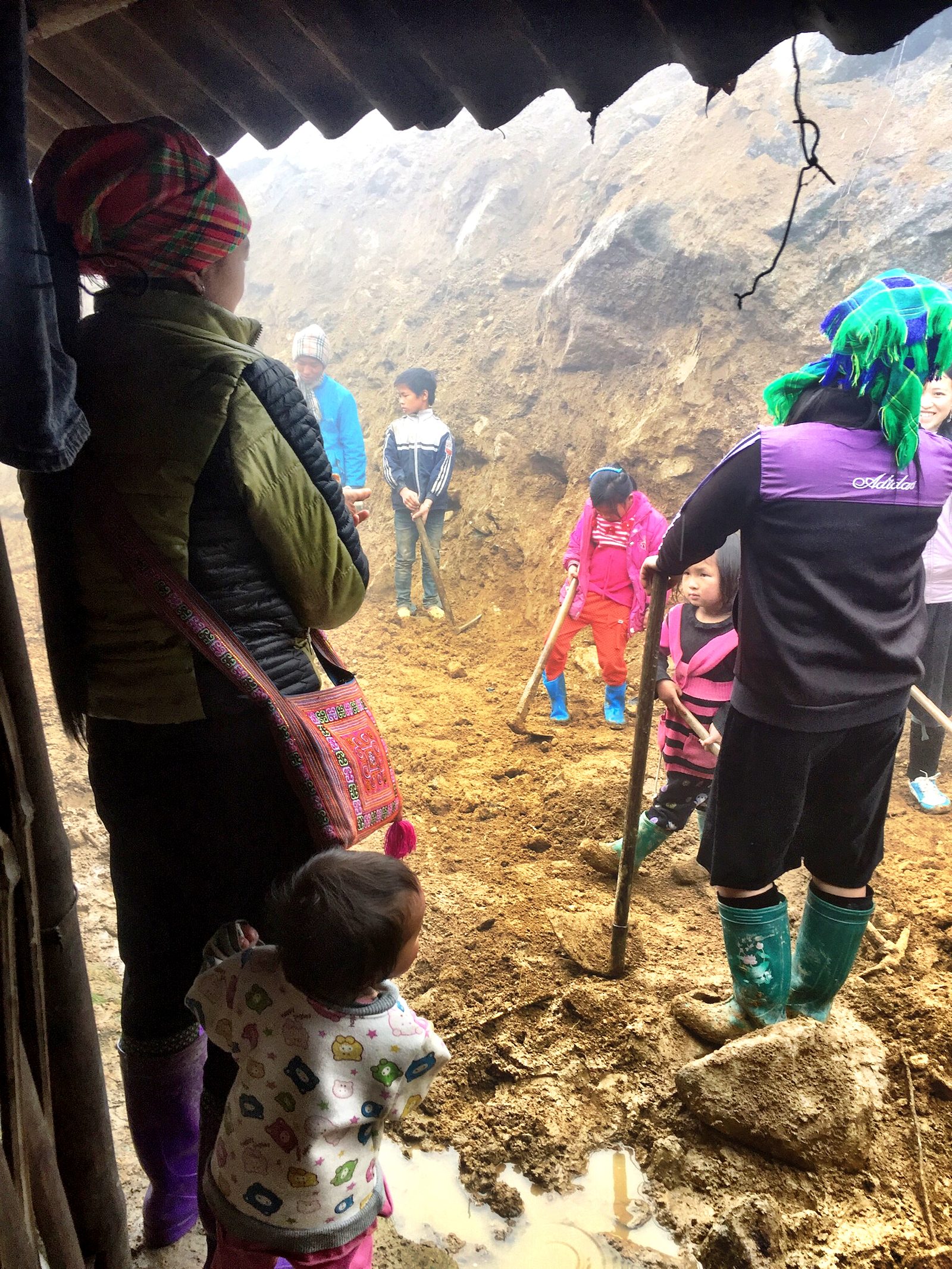
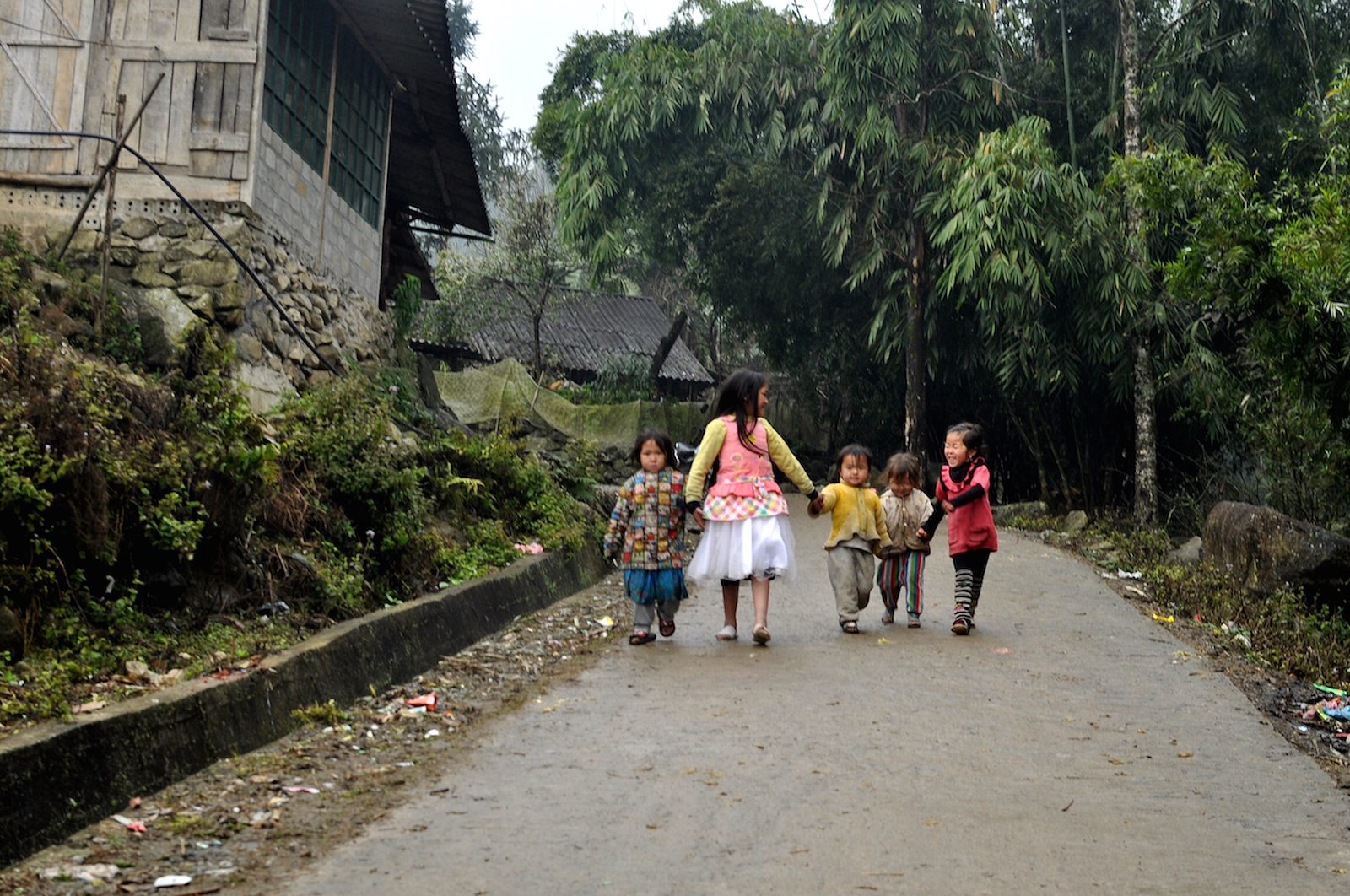
For us, Vietnam is a country of extremes. We can start with the weather. The heat in the south is dizzying, while the north races with bone-chilling winds and occasionally even snow. Each region has a completely different landscape, people and food. As one guide explained to us only half-jokingly, “The people from the south have a sweet voice, good for singing. The people in the middle have a strange accent. The people of the north are the ones who always get picked to be TV newspeople. If you want to hire someone from the south, we care about relationships more than the job so we will stay one or two years, more if the boss is nice. The people from the north will stay longer, but only if you give them a promotion. The people in the middle are the best workers because that area has the hardest weather, hard storms.” It’s a country that is moving forward quickly but hasn’t forgotten the past, each faction not forgiving the other for its role in the Vietnam War. This is especially evident in the lack of resources in Sapa, the hill-tribe area. It’s a country that superficially looks like any other Asian country in this area, but has some strange overtones from the communist government, such as police forcefully collecting “bribes” for extra pocket money and random things like Twitter being blocked in most places.
And for us personally, it was an extreme place. For our first full ten days, we entered into a Vipassana meditation center, keeping a vow of vegetarianism and complete silence.
From the austerity of the meditation retreat, we started exploring the sprawling urbanism that is Ho Chi Minh city, which locals still call Saigon.